UX Research
Understand Your Users
Why UX research is worth it
Better understand users, reduce risks, and save development costs
Why UX research is worth it
Better understand users, reduce risks, and save development costs
Why UX research is worth it
Better understand users, reduce risks, and save development costs
Get to know your users inside and out
Understand instead of assume: get to know users, understand usage contexts, identify needs, and then provide perfectly tailored products.
Get to know your users inside and out
Understand instead of assume: get to know users, understand usage contexts, identify needs, and then provide perfectly tailored products.
Data-driven decisions
Internal discussions based on personal opinions can hinder progress. We ensure data-driven decisions and prioritization.
Data-driven decisions
Internal discussions based on personal opinions can hinder progress. We ensure data-driven decisions and prioritization.
Prioritize what is important
Focus instead of feature overload: Prioritize and focus on features that really help users. Clarity in the roadmap: Direct resources toward the biggest impact.
Prioritize what is important
Focus instead of feature overload: Prioritize and focus on features that really help users. Clarity in the roadmap: Direct resources toward the biggest impact.
Build smarter, spend less
Reduced development effort through early and efficient focus on relevant topics. Prevent errors early.
Build smarter, spend less
Reduced development effort through early and efficient focus on relevant topics. Prevent errors early.
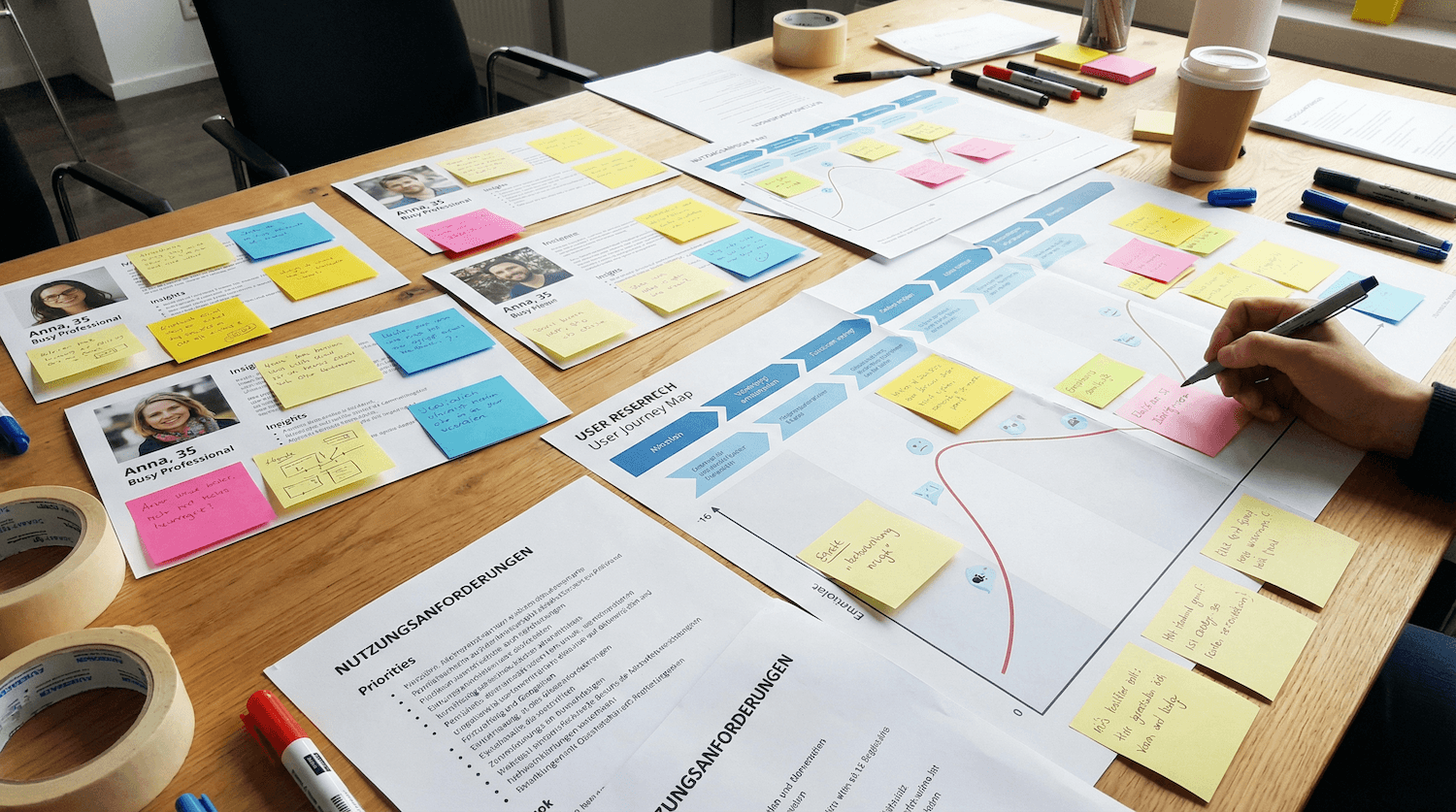
We optimize interaction processes.
We optimize interaction processes.
We optimize interaction processes.
UX Research Process
UX Research Process
1
Context analysis
We combine qualitative insights (tasks, obstacles, context) with quantitative analyses (paths, frequencies, segments) and collect artifacts such as screens, process documents, and workarounds. This turns evidence into clear, verifiable user requirements.
1
Context analysis
We combine qualitative insights (tasks, obstacles, context) with quantitative analyses (paths, frequencies, segments) and collect artifacts such as screens, process documents, and workarounds. This turns evidence into clear, verifiable user requirements.
2
Understand users
We make needs, motives, and fears visible. Through interviews, observations, and data analyses, we identify patterns behind behavior and translate them into clear decisions: which problems truly matter, which tasks have priority, and which solutions make a noticeable difference.
2
Understand users
We make needs, motives, and fears visible. Through interviews, observations, and data analyses, we identify patterns behind behavior and translate them into clear decisions: which problems truly matter, which tasks have priority, and which solutions make a noticeable difference.
3
Competitors and Benchmark
We distill competition and benchmarks into clear areas for action: positioning, value, UX, patterns, and gaps. Result: evidence-based recommendations on where to pull ahead, catch up, or deliberately differentiate.
3
Competitors and Benchmark
We distill competition and benchmarks into clear areas for action: positioning, value, UX, patterns, and gaps. Result: evidence-based recommendations on where to pull ahead, catch up, or deliberately differentiate.
4
Definition of the context of use
Through systematic user research, we develop a precise picture of the usage context: who the users are, what goals they pursue, the environments in which they work, and the constraints that shape their everyday lives. In usage scenarios, persona models, task models, and user journeys, we distill research insights into a shared understanding—creating solutions that fit users’ real-world realities, not assumptions.
4
Definition of the context of use
Through systematic user research, we develop a precise picture of the usage context: who the users are, what goals they pursue, the environments in which they work, and the constraints that shape their everyday lives. In usage scenarios, persona models, task models, and user journeys, we distill research insights into a shared understanding—creating solutions that fit users’ real-world realities, not assumptions.
5
Define usage requirements
From real usage scenarios, personas, task models, and user stories, we derive clear, verifiable requirements: what the product must do, for whom, under what conditions, and with what priority. Every requirement is justified by research evidence and paired with acceptance criteria—making decisions transparent, reducing risk, and helping teams deliver focused value.
5
Define usage requirements
From real usage scenarios, personas, task models, and user stories, we derive clear, verifiable requirements: what the product must do, for whom, under what conditions, and with what priority. Every requirement is justified by research evidence and paired with acceptance criteria—making decisions transparent, reducing risk, and helping teams deliver focused value.
Context analyses
Method mix - qualitative and quantitative
Context analyses
Method mix - qualitative and quantitative
Focus groups
Surveys

Surveys
Observations

Observations
Usability and UX Audit
Diary studies
Feedback analyses
Focus groups
Surveys

Diary studies
Observations

Usability and UX Audit
Feedback analyses
Focus groups
Surveys
Diary studies
Observations
Usability and UX Audit
Feedback analyses
Focus groups
Surveys
Diary studies
Observations
Usability and UX Audit
Feedback analyses
Focus groups
Surveys
Diary studies
Observations
Usability and UX Audit
Feedback analyses
Gain new insights with an expert audit
We use our expertise to test and evaluate your product based on the user characteristics and contexts you define. During the evaluations, our specialists act as your users and provide insights to improve the user experience and usability. If needed, we can also compare your product with competing products.

Defining the usage context
Models that reflect authentic personas, interactions, and tasks.
Defining the usage context
Models that reflect authentic personas, interactions, and tasks.
Task models
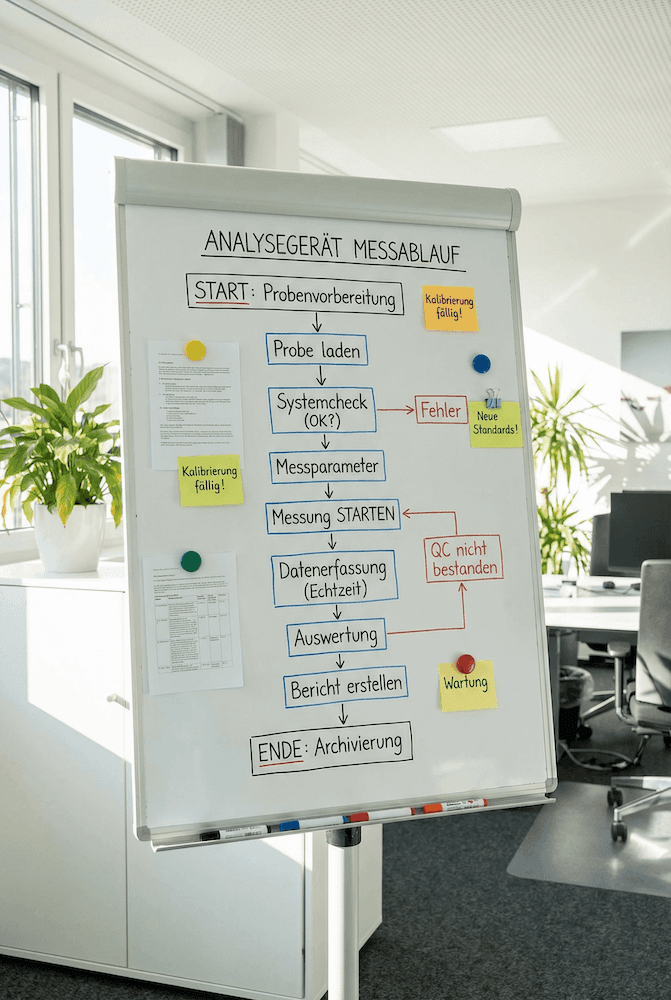
Personas
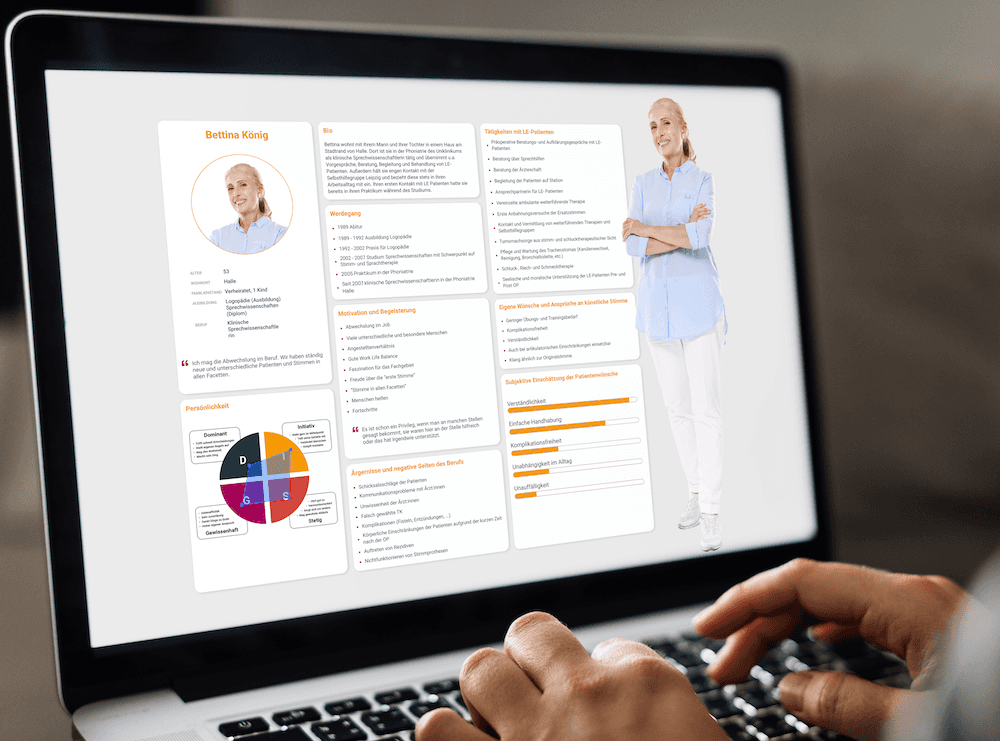
Personas
User group profiles
Empathy Maps
User Journey Maps
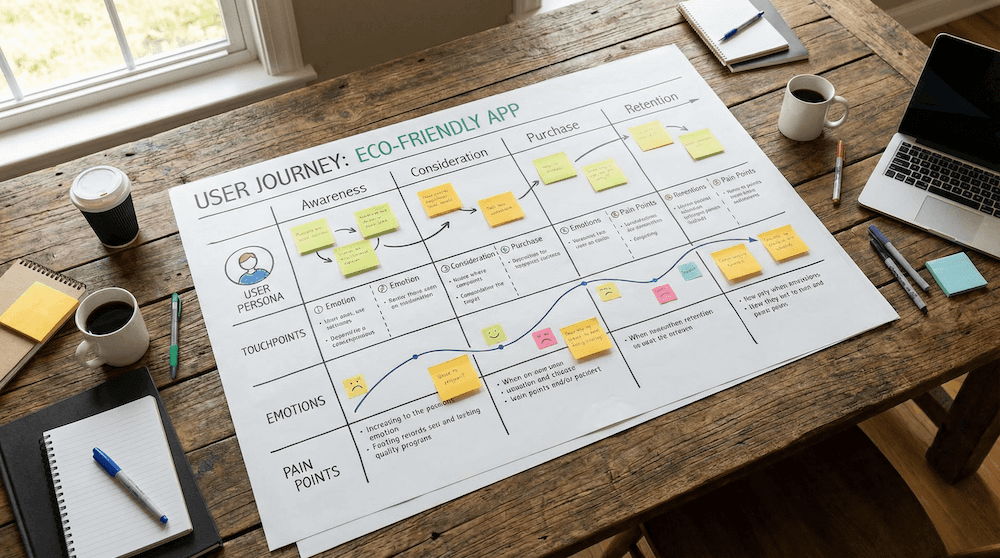
Task models
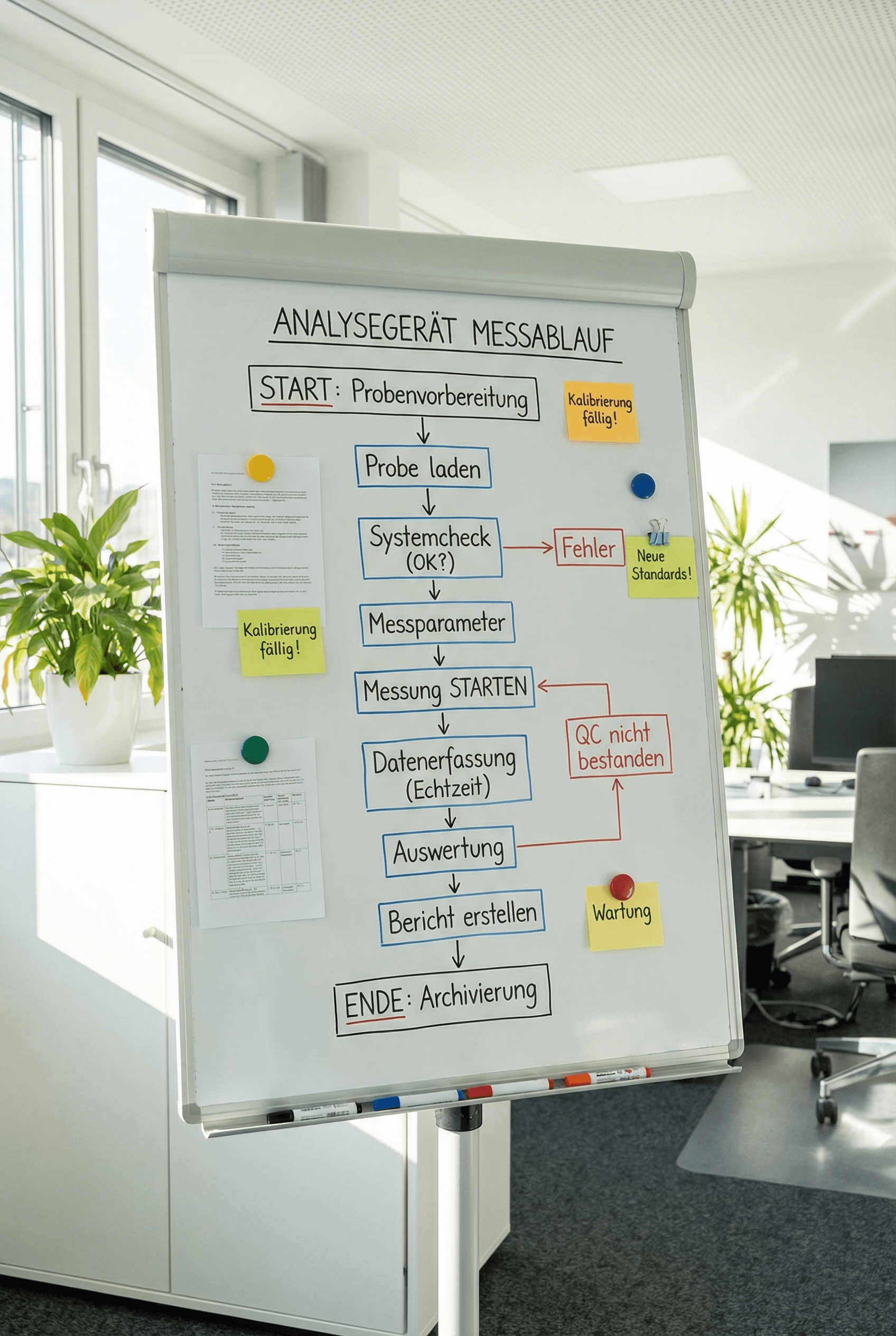
Persons
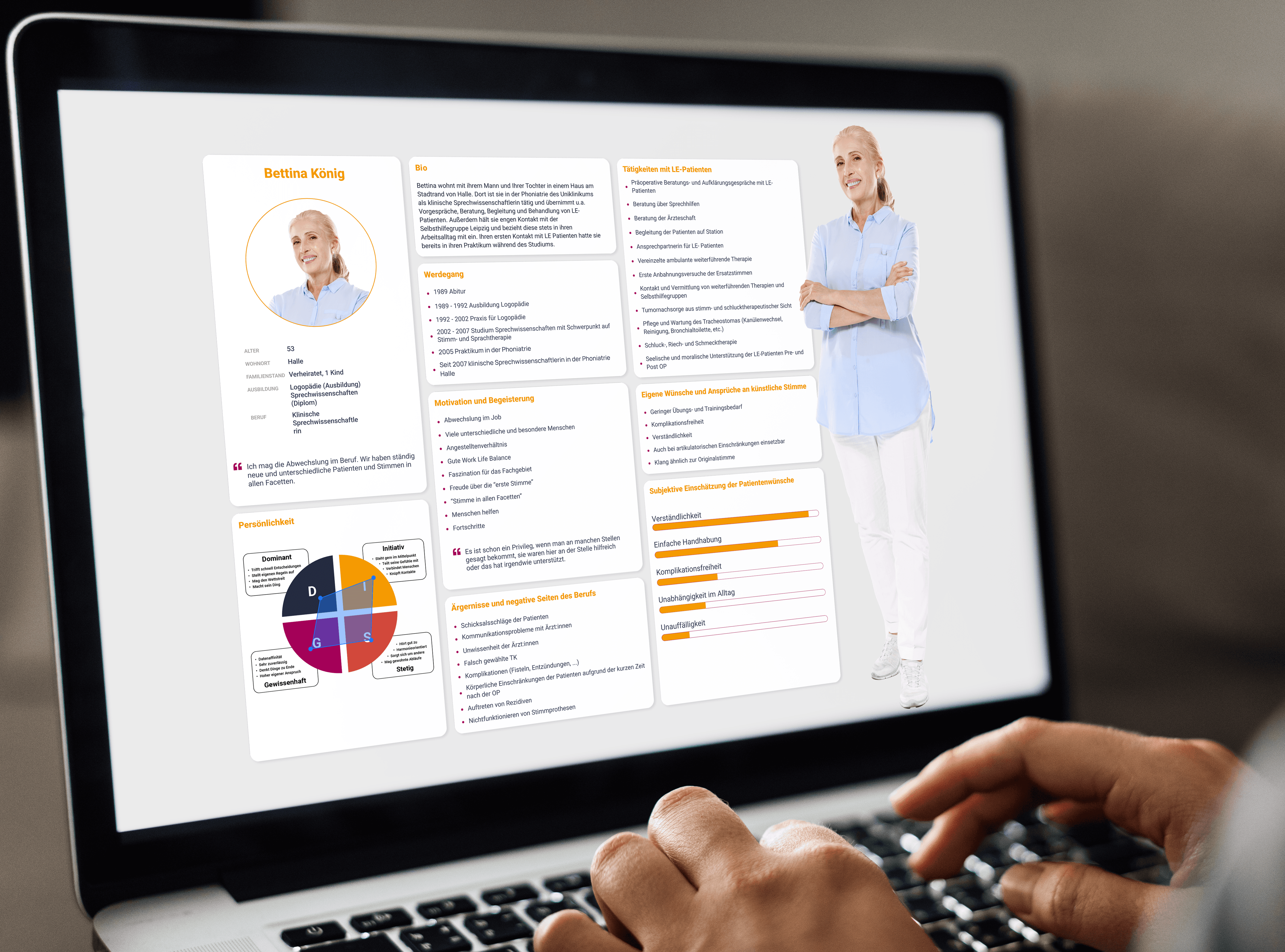
User group profiles
Empathy Maps
User Journey Maps
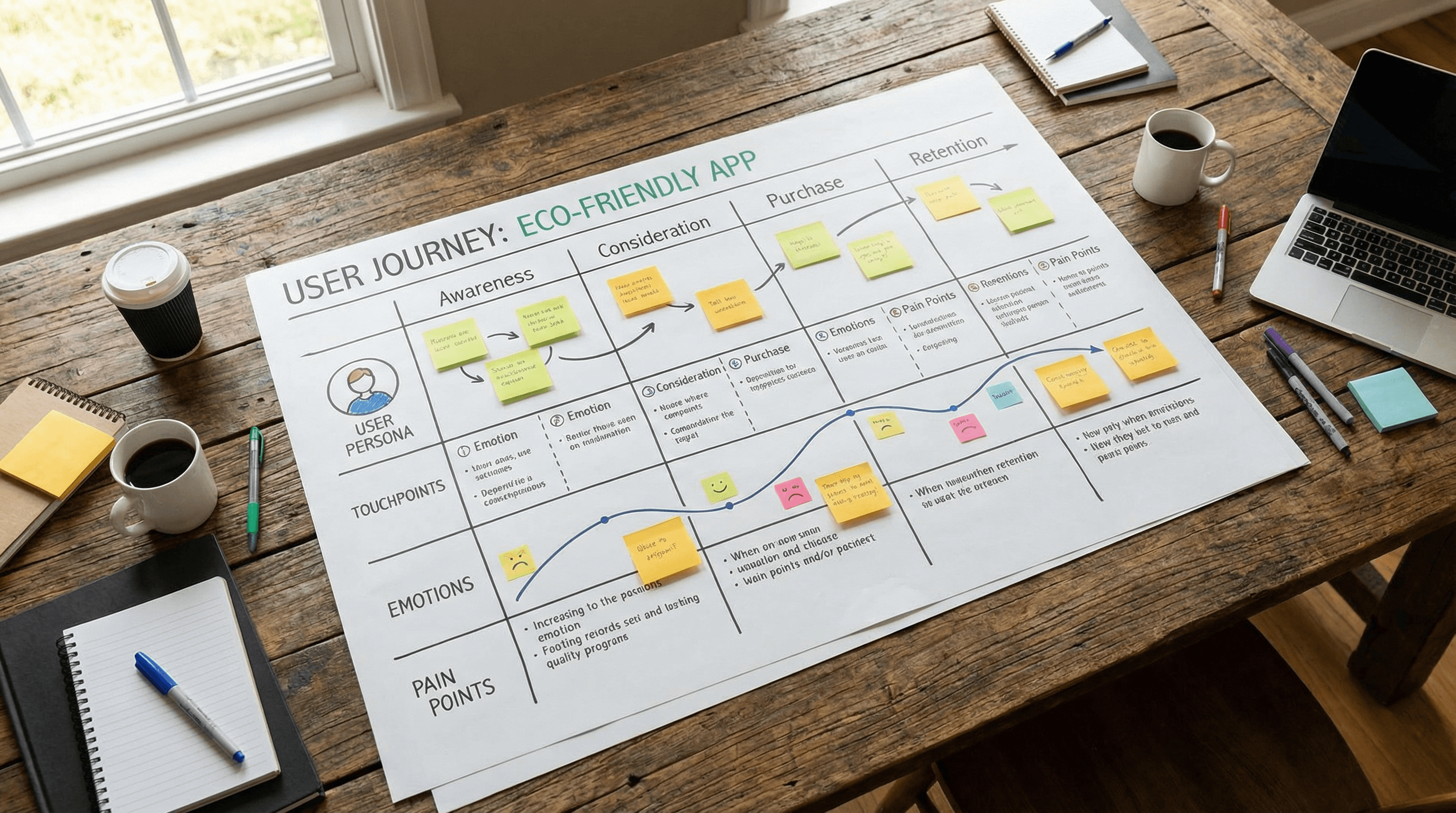
Task models
Persons
User group profiles
Empathy Maps
User Journey Maps
Task models
Persons
User group profiles
Empathy Maps
User Journey Maps
Task models
Persons
User group profiles
Empathy Maps
User Journey Maps
Product and competitor analyses
Reveals product strengths and gaps and provides information on differentiation and benchmarking opportunities.
Product and competitor analyses
Reveals product strengths and gaps and provides information on differentiation and benchmarking opportunities.
Product and Portfolio Analysis
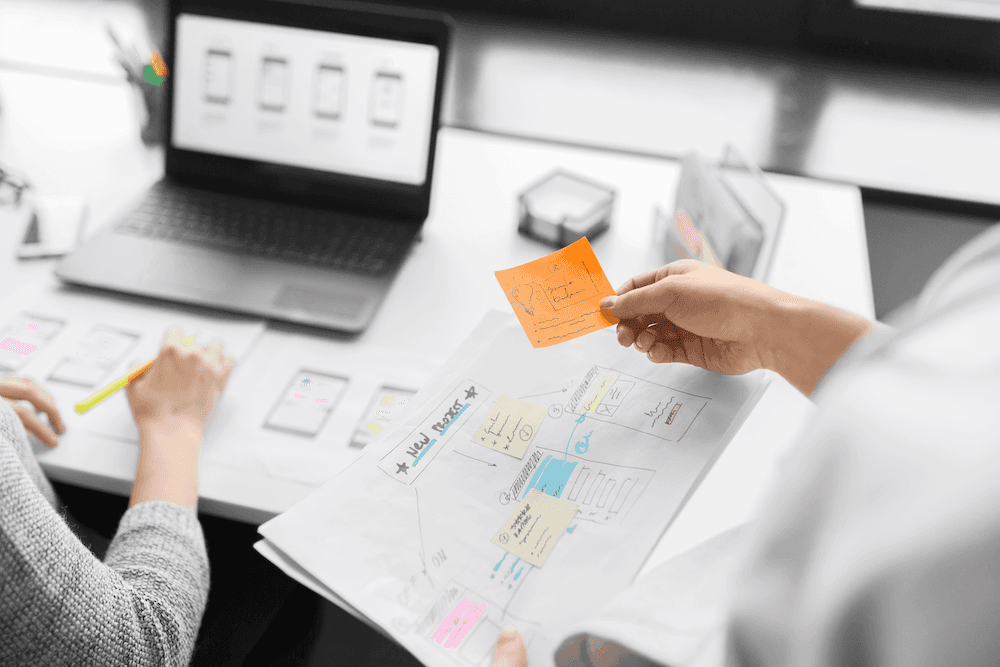
Product and Portfolio Analysis
Competitive UX Analysis

Web Screening

Benchmark
Product strategy analysis
Product and Portfolio Analysis
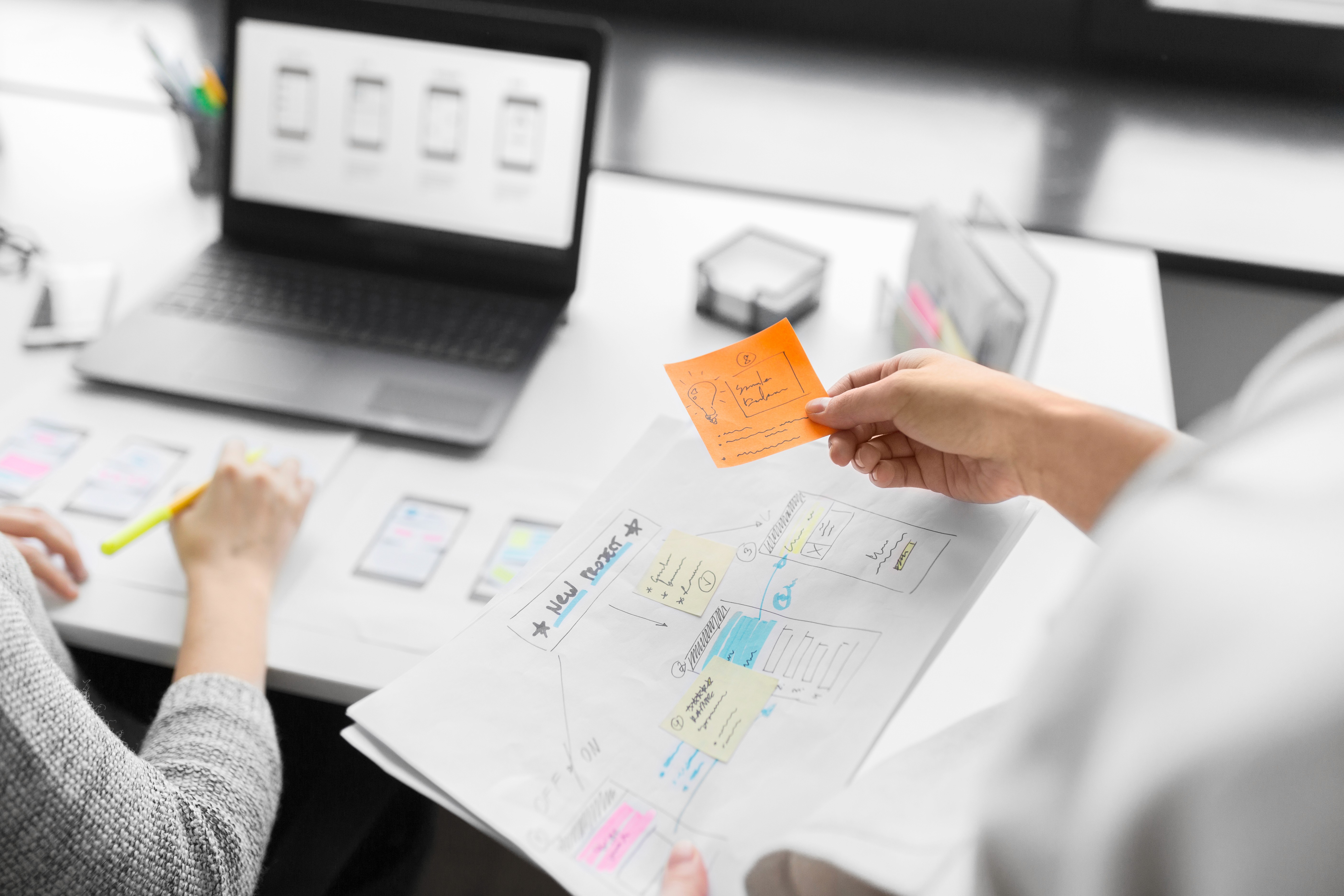
Competitive UX Analysis

Web Screening

Benchmark
Product strategy analysis
Product and Portfolio Analysis
Competitive UX Analysis
Web Screening
Benchmark
Product strategy analysis
Product and Portfolio Analysis
Competitive UX Analysis
Web Screening
Benchmark
Product strategy analysis
Product and Portfolio Analysis
Competitive UX Analysis
Web Screening
Benchmark
Product strategy analysis
Formulation of user requirements
Transforms insights into measurable criteria and aligns development priorities with verified user goals.
Formulation of user requirements
Transforms insights into measurable criteria and aligns development priorities with verified user goals.
Formulation of the usage requirements
Transforms insights into measurable criteria and aligns development priorities with verified user goals.
IEC 62366-1 / Human Factors Engineering
In accordance with IEC 62366-1, we identify use-related risks and derive safety-critical requirements from them to avoid use errors and ensure the safe, effective use of medical devices.
Workflow and system integration
ISO 9241-210




FAQ
Does this work in B2B and regulated industries?
GDPR and confidential data?
Why is context important?
Qualitative vs. quantitative – when to use what?
From insight to impact
Research is the starting point. We turn insights into ideas and make early design decisions before moving into implementation.
From insight to impact
Research is the starting point. We turn insights into ideas and make early design decisions before moving into implementation.
From insight to impact
Research is the starting point. We turn insights into ideas and make early design decisions before moving into implementation.